Planning an event involves countless details, and transportation is often check here underestimated. One common mistake is assuming that guests will find their own way to the venue or rely solely on personal vehicles. Such assumptions may cause lateness, scheduling conflicts, and added stress for everyone involved. Evaluating the number of attendees needing rides, including special needs, is vital. Considering accessibility and convenience ensures that all attendees arrive comfortably and on time. Failing to address these factors can interrupt the event’s flow and reduce attendee satisfaction.
Scheduling vehicles without accounting for the number of guests can result in overcrowded rides or long waits. It’s important to plan transportation logistics with flexibility to handle unexpected changes. Reserving trustworthy providers early mitigates risks from short-notice shortages. By considering peak travel times and traffic patterns, hosts can minimize delays and maintain a smooth event schedule. A thoughtfully organized transportation plan reflects professionalism and attention to detail. With Haas Limo, guests enjoy coordinated and effortless transportation from beginning to end.
Failing to Communicate Clearly With Transportation Providers
Maintaining open and clear dialogue with providers is key to effective event transport. Confusion over timing, places, or vehicle details often disrupts the transportation flow. Giving explicit guidance and confirming plans helps eliminate miscommunication. Drivers should be briefed on specific needs or VIP requirements. Without clear communication, the service quality may not meet expectations, impacting the guest experience. Alignment among hosts, drivers, and coordinators guarantees smoother operations.
Event hosts should provide a single point of contact to coordinate all transportation needs. It allows quick handling of adjustments and ensures drivers know the full itinerary. Confirming the route and timing details in advance reduces the likelihood of delays. Providing guests with essential contact details enables quick reporting of issues. Open and detailed communication ensures seamless execution. Regular updates throughout preparation build reliability and confidence.
Neglecting Schedule Considerations
Time management plays a key role in coordinating event transport. Incorrect estimates of travel time may cause delays or anxious arrivals, affecting event flow. Planning buffer time for traffic, unforeseen delays, or parking challenges can prevent unnecessary stress. Coordinating arrival times to avoid congestion and ensure a steady flow of guests enhances the overall experience. Proper timing encompasses beginning and ending phases for uninterrupted operations. Precision in scheduling demonstrates professionalism and foresight.
Overloading vehicles or underestimating transit time can disrupt the smoothness of an event. Providing accurate itineraries for drivers and staff helps them manage the schedule efficiently. Planning sequential routes and timing for multiple stops maintains comfort and punctuality. Considering individual guest needs, such as those requiring additional assistance, adds to the efficiency of transportation services. Careful scheduling reduces anxiety and complications. It also allows hosts to focus on the event itself rather than dealing with logistical issues.
Neglecting Unique Attendee Needs
Certain guests could have needs that must be factored into planning. Examples include wheelchair access, food restrictions, or privacy for high-profile guests. Failing to accommodate these needs causes frustration and discomfort. Planning in advance allows transportation providers to prepare appropriate vehicles and services. Making attendees feel respected and accommodated improves the event’s perception. Considering individual needs reflects professionalism and thoughtfulness.
Providing clear instructions to drivers and staff about individual guest needs helps create a seamless experience. Providing accessible cars or extra storage accommodates equipment and reduces surprises. Foreseeing issues reflects careful planning and dedication to quality service. When attendees’ needs are met, they enjoy a pleasant and lasting impression. Organizers who plan for unique requirements circumvent typical mistakes. Attentive organization allows everyone to travel smoothly and securely.
Failing to Maintain Vehicle Excellence
Guest perception is greatly influenced by vehicle condition and reliability. Riding in neglected or uncomfortable cars can detract from the overall event impression. Consistent maintenance and checks guarantee safe and pleasant rides. A luxury experience is defined not only by punctuality but also by the quality of the ride itself. Attendees anticipate comfortable, secure, and reliable rides, especially for prestigious gatherings. Neglecting maintenance may diminish the impact of well-planned event logistics.
Pre-event inspections help secure dependable transportation and reduce stress. Testing sound systems, lighting, and climate control features contributes to guest comfort. Adding thoughtful features for high-profile events enriches the travel experience. Having cars ready ahead of time avoids unexpected issues. Focusing on vehicle care underscores event organizers’ attention to excellence. Observant guests will remember well-maintained vehicles as part of the event’s quality.
Neglecting Contingency Planning
Event schedules often shift, so contingency planning for transportation is key. Delays from conditions or extra guests may interfere with precise plans. Failing to prepare alternatives can lead to chaos and frustration. Contingency measures like extra transport or flexible routing help prevent interruptions. Adaptable strategies sustain attendee trust and staff efficiency. It allows the event to remain enjoyable and organized, regardless of unexpected circumstances.
Coordinating with a transportation provider to establish contingency strategies improves overall event resilience. Sharing likely changes ahead of time enables fast response by drivers. Structured contingency plans protect against setbacks and reassure attendees. Anticipating challenges demonstrates professionalism and attention to detail. Readiness and adaptability are essential to flawless event transportation. Planning for contingencies helps maintain order and event quality.
Choosing the Wrong Type of Vehicle
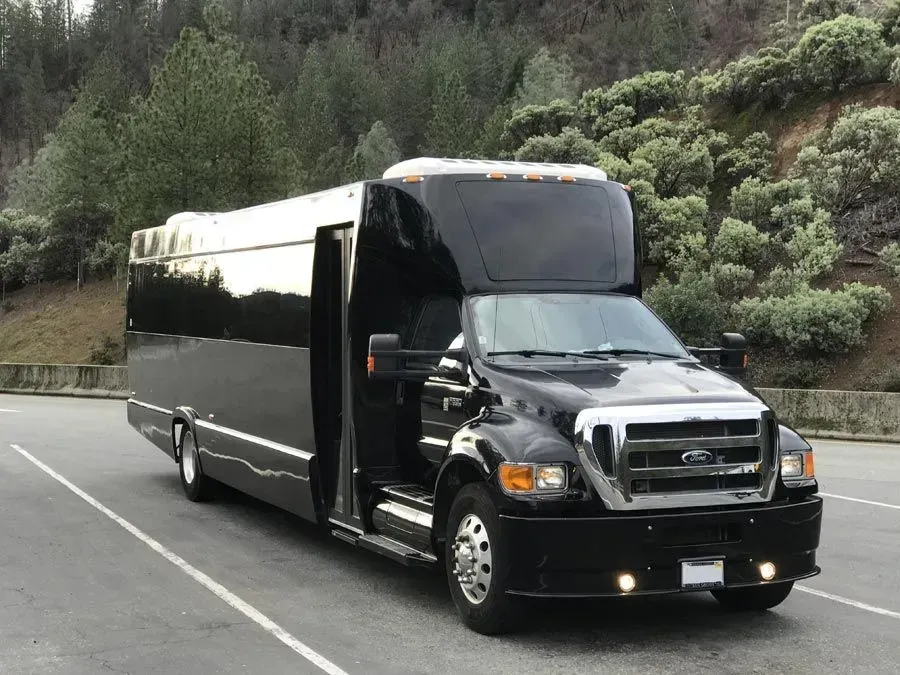
Using vehicles unsuitable for the group or event can harm the experience. For instance, an oversized vehicle for a small group may feel impersonal, while a compact vehicle for a large party may be cramped and uncomfortable. Understanding the right vehicle type for the number of guests, luggage needs, and event style is critical. Features such as internet access, temperature control, and roominess enhance travel ease. Vehicle appropriateness reinforces the overall style and organization of the occasion. This consideration reflects meticulous planning and attention to detail.
Using experienced providers streamlines the selection of appropriate vehicles. Skilled transport services align car options with guest needs and event style. Consideration of attendee comfort, aesthetics, and special needs is part of professional service. Choosing carefully reduces logistical issues and improves enjoyment. Working with Haas Limo allows hosts to ensure guests arrive in style and comfort. Vehicle appropriateness leaves a positive, lasting impact on guests.
Inadequate Coordination Between Drivers and Event Staff
Coordination between drivers and event staff is often overlooked but crucial for smooth transportation. Misalignment can result in late arrivals, congestion at pick-up points, or confusion about schedules. Open lines between drivers, organizers, and staff maintain clarity. Sharing schedules and contacts helps drivers adapt to adjustments efficiently. Effective coordination contributes to a seamless flow and minimizes stress for both guests and organizers. Coordinated logistics reinforce event quality and guest satisfaction.
Regular briefings before the event allow drivers and staff to review the schedule and discuss any special instructions. Designating control points and backup plans aids in handling surprises. Coordination also involves monitoring guest arrivals and departures to prevent bottlenecks or delays. Effective dialogue improves security, convenience, and smooth operations. Leveraging the expertise of Haas Limo ensures that this coordination is handled professionally. Flawless logistics management enhances perceptions of competence and high standards.